Card Game

Card Games Through the Ages: Strategy, Social Bonds, and the Elegance of Play”

Introduction: More Than a Pastime

Card games have held a cherished place in human culture for centuries. Beyond entertainment, they have served as tools of strategy, expressions of culture, and catalysts for connection. From casual family gatherings to competitive tournaments, card games transcend age, geography, and social status. They are as much about the interplay of psychology and probability as they are about shared moments and spirited rivalry. Elegant in their simplicity and profound in their complexity, card games remain a cornerstone of intellectual and recreational life across the globe

A Brief History: The Global Origins of the Deck

The earliest card games are believed to have originated in China during the Tang dynasty (9th century), where printed cards began to circulate among the aristocracy. As trade routes expanded, playing cards made their way to the Islamic world and later to Europe by the late 14th century. European decks evolved into the four-suit system we recognize today—hearts, diamonds, clubs, and spades—though variations still exist in different regions

Throughout history, card games have adapted to cultural and political climates. During wartime, they served as a form of morale-building. In royal courts, they were a symbol of sophistication. In households, they became instruments of leisure and learning alike

The Anatomy of a Standard Deck

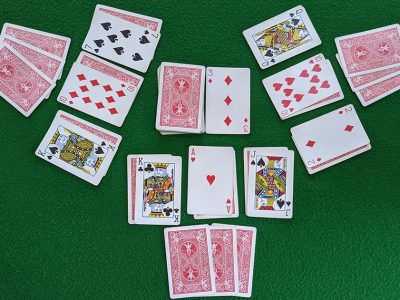
A typical Western deck contains 52 cards divided into four suits, each with thirteen ranks. This simple structure gives rise to hundreds of different games, each with its own rules, strategies, and goals

Key Components:

  • Suits: Hearts, Diamonds, Clubs, Spades

  • Ranks: Ace through King, with varying values depending on the game

  • Jokers: Optional cards used in games like Rummy or certain versions of Poker

While modern decks are largely standardized, regional variations exist. For instance, Tarot decks used in Europe contain additional cards and are often used for both gaming and divination

Categories of Card Games: A Diverse Landscape

Card games can be classified into various categories depending on their mechanics, objectives, and the number of players. Each type serves a different social or intellectual purpose, offering endless variety

Popular Categories:

  • Trick-Taking Games: Players compete to win individual rounds or “tricks” (e.g., Bridge, Spades, Hearts)

  • Matching and Shedding Games: Players aim to match or discard cards to reach a goal (e.g., Uno, Crazy Eights, Rummy)

  • Casino Games: Gambling-based games with strict rules and betting systems (e.g., Blackjack, Baccarat, Poker)

  • Solitaire Games: Single-player puzzles requiring strategic arrangement (e.g., Klondike, FreeCell, Spider Solitaire)

  • Collectible Card Games: Deck-building and customization, often involving fantasy or competitive themes (e.g., Magic: The Gathering, Pokémon TCG)

Each category offers distinct skills and challenges—from memory and probability to bluffing and long-term planning

The Strategic Depth of Card Play

While some card games rely heavily on luck, many require deep strategic thought. Experienced players master both game mechanics and the subtleties of human behavior. In competitive formats like Bridge or Poker, decision-making, risk assessment, and timing are paramount

Strategic Elements to Consider:

  • Hand Management: Knowing when to play strong cards and when to hold back

  • Probability: Estimating what cards opponents may hold based on available information

  • Bluffing and Deception: Especially in games like Poker, misleading opponents can yield significant advantages

  • Partnership Dynamics: In team-based games like Bridge, coordination and silent communication are essential

  • Pattern Recognition: Identifying trends, card distributions, or strategic opportunities mid-game

Mastering these elements transforms card games from mere recreation into mental sport

Social and Cognitive Benefits

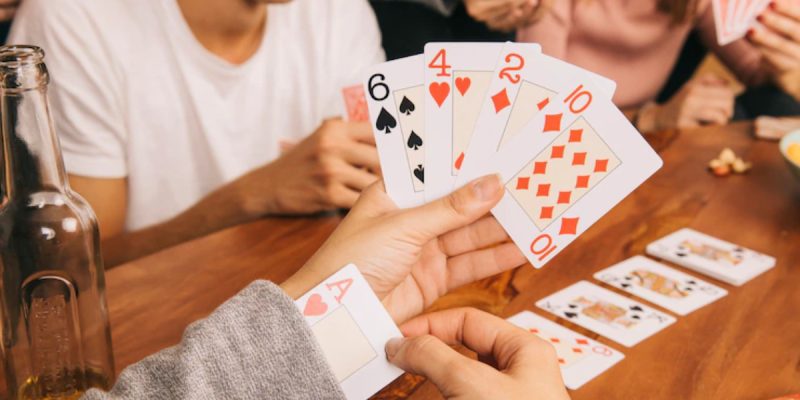
Card games are more than intellectual exercises—they foster social interaction, emotional intelligence, and lifelong cognitive benefits. Whether played in person or online, they promote communication, empathy, and collaboration

Social Advantages:

  • Intergenerational Bonding: Games like Go Fish or Old Maid bridge age gaps in families

  • Cultural Exchange: Variants from around the world expose players to different traditions

  • Accessible Fun: Card games require minimal equipment and can be enjoyed by people from all walks of life

Cognitive Benefits:

  • Memory Enhancement: Regular play helps strengthen short- and long-term memory

  • Critical Thinking: Strategic decision-making fosters mental agility and concentration

  • Emotional Control: Managing wins and losses gracefully builds emotional resilience

These benefits make card games a valuable tool for education, therapy, and aging populations seeking to maintain mental sharpness

The Digital Evolution: Cards in the Age of Screens

Technology has redefined the way card games are played. From mobile apps to online multiplayer platforms, digital versions have expanded access and global reach. Players can now challenge opponents from different continents, join ranked tournaments, or explore countless game variations at the touch of a button

Innovations in Digital Card Gaming:

  • Online Multiplayer Platforms: Websites and apps host games ranging from casual to competitive

  • AI Opponents: Smart algorithms offer challenging gameplay without the need for human players

  • Customizable Experiences: Digital decks, themes, and animations enhance the visual appeal

  • Cross-Device Accessibility: Games can be played seamlessly on phones, tablets, or computers

Despite this shift, the tactile satisfaction of handling real cards and reading live opponents continues to draw many back to traditional formats

Card Games in Popular Culture

Card games have long held a place in literature, film, and art. From James Bond’s intense Baccarat duels to the poker-faced Wild West showdowns, cards symbolize risk, cunning, and charisma. In many cultures, they are part of rituals, holiday traditions, and rites of passage

Examples in Media:

  • Movies: “Casino Royale,” “Rounders,” “21”

  • Literature: Card metaphors are used to describe life choices, fate, and unpredictability

  • Visual Arts: Playing cards have inspired centuries of artistic motifs, from Renaissance paintings to contemporary graphic design

Such representation underscores the symbolic power of cards—as tools of fortune, mirrors of strategy, and metaphors for life itself

Conclusion: The Timeless Appeal of Card Games

In an age of digital distractions and fleeting trends, the enduring appeal of card games lies in their perfect balance of structure and spontaneity. They are easy to learn yet difficult to master, accessible to children and adults alike, and capable of delivering both joy and insight. Whether played in silence at a kitchen table or amidst the electric buzz of a tournament hall, card games continue to challenge the mind, build community, and delight the soul

As the world evolves, so too will the formats and forums for card play. Yet the heart of the experience—a shared space of intellect, chance, and human connection—remains unchanged. In the shuffle of life, card games remind us that sometimes, the hand we’re dealt is only the beginning of the stor

What's your reaction?

Excited
0
Happy
0
In Love
0
Not Sure
0
Silly
0

You may also like

More in:Card Game