 By Samson Kohen
Introduction: More Than Just a Deck of Cards
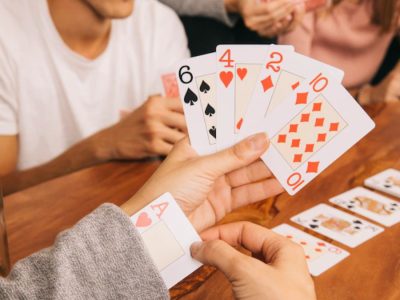
Card games have captivated hearts and minds for centuries. Universally accessible, portable, and endlessly versatile, they transcend generations, cultures, and social classes. Whether played casually around a kitchen table, in smoky backrooms, or at elite international tournaments, card games strike a rare balance between mental stimulation and social interaction. In an era dominated by digital entertainment, the continued popularity of card games speaks to their timeless appeal. They are not simply games—they are cultural artifacts, teaching tools, and mediums for meaningful human connection
A Journey Through Time: The Origins of Card Games
The exact origins of card games are difficult to trace, but historians generally agree that they emerged in China during the Tang Dynasty around the 9th century. As printing techniques spread, so did the cards. They traveled along trade routes into India, Persia, and eventually reached Europe by the 14th century. The earliest European decks were hand-painted, making them luxury items reserved for the nobility. Over time, standardized decks evolved, including the familiar 52-card French deck that dominates much of the Western world today
Each culture has added its unique spin. The Tarot deck, for instance, originated in Italy and evolved into both a game and a tool for divination. In India, traditional games like Teen Patti remain popular, while Japan has its intricate Hanafuda cards. The diversity of card games across cultures highlights their adaptability and universal charm
The Structure of a Standard Deck
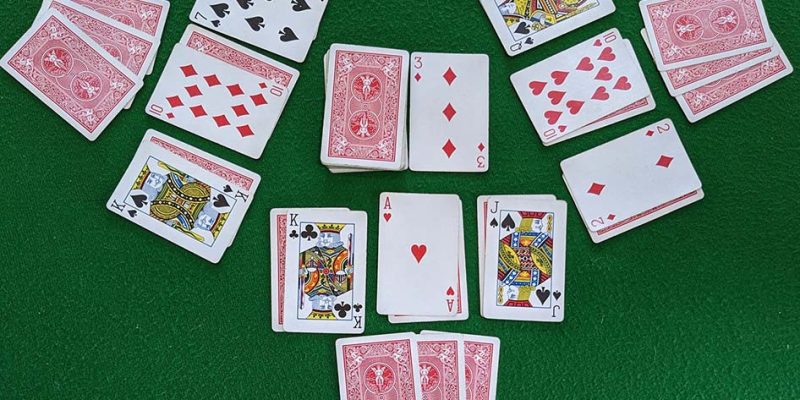
The standard deck of 52 cards is deceptively simple, yet it forms the foundation for hundreds of games worldwide. Divided into four suits—hearts, diamonds, clubs, and spades—each suit contains thirteen ranks, from Ace to King. The versatility of this format allows for games of chance, games of skill, and games that artfully blend both
Components of a Standard Deck:
-
Suits: Four categories—Hearts and Diamonds (red), Clubs and Spades (black)
-
Ranks: Ace (often high or low), followed by numbers 2 through 10, and face cards—Jack, Queen, King
-
Jokers: Optional wild cards used in certain games like Rummy or Euchre
Though simple in appearance, the deck’s structure supports games of immense strategic depth and complexity
Categories of Card Games: A World of Variety
Card games come in a multitude of forms, each offering a different kind of challenge and entertainment. Some emphasize memory and deduction, others focus on bluffing or tactical planning. This wide range ensures that there is a card game suited to every age, skill level, and mood
Popular Categories Include:
-
Trick-Taking Games: Players compete to win specific sets of cards (e.g., Bridge, Spades, Hearts)
-
Matching Games: Players try to match cards based on rules or patterns (e.g., Go Fish, Rummy)
-
Casino Games: Often involve betting and probability, commonly played for money (e.g., Blackjack, Poker, Baccarat)
-
Shedding Games: The goal is to discard all cards before opponents (e.g., Uno, Crazy Eights)
-
Solitaire Games: Single-player puzzles that challenge logic and planning (e.g., Klondike, FreeCell)
Each category invites different cognitive skills and social dynamics, making card games more than mere chance—they are deeply engaging pastimes that reward strategic thinking
The Strategic Edge: When Luck Meets Skill
While many casual players view card games as a matter of luck, seasoned enthusiasts know better. Most card games—especially those with competitive followings—require acute attention to detail, risk management, probability calculations, and psychological insight
Essential Strategic Skills:
-
Probability Analysis: Understanding the odds based on visible cards and common distributions
-
Memory and Recall: Tracking previously played cards and anticipating what remains
-
Bluffing and Deception: Convincing opponents to misread your hand or intentions, especially in Poker
-
Position Awareness: In games like Bridge, turn order and seat position play a critical role in strategy
-
Adaptability: Adjusting tactics in real time as new information unfolds
These skills make card games not just recreational, but intellectually enriching activities with wide cognitive benefits
Social and Emotional Benefits
One of the most underappreciated aspects of card games is their capacity to foster human connection. Unlike digital games that often isolate players, card games encourage face-to-face interaction, collaboration, and spirited debate. They build bridges across generations, strengthen family ties, and even serve therapeutic purposes in educational and clinical settings
Key Social Advantages:
-
Intergenerational Play: Grandparents and grandchildren can engage on equal footing
-
Ice-Breakers: Ideal for social gatherings and informal networking
-
Conflict-Free Competition: Offers healthy outlets for competitive energy in controlled environments
-
Team Building: Games like Bridge require coordination and mutual trust
Emotionally, card games also teach patience, perseverance, and humility. Winning gracefully and losing with dignity are life skills honed around the card table
Card Games in the Digital Age
Technology has not diminished the appeal of card games—it has amplified it. Today’s players can enjoy classic and new games alike on their smartphones, tablets, and computers. Digital platforms offer tutorials, matchmaking, and competitive ladders, making the card game community larger and more accessible than ever
Features of Modern Digital Card Gaming:
-
Online Multiplayer: Connect with friends or strangers worldwide
-
AI Opponents: Practice with varying difficulty levels
-
Tutorials and Analytics: Learn the game and track your progress
-
Mobile Convenience: Play anywhere, anytime
Despite these innovations, physical cards still hold a unique charm. The feel of the deck, the sound of the shuffle, and the face-to-face psychology can’t be fully replicated by pixels and algorithms
Iconic Card Games and Their Legacy
Some card games have achieved legendary status, shaping cultures and inspiring generations of players. Whether tied to fortune, competition, or tradition, these games reflect the best of what the format has to offer
Notable Examples:
-
Poker: Synonymous with bluffing and high-stakes drama, now a televised global sport
-
Bridge: A favorite among intellectuals and strategists, known for its complex bidding system
-
Blackjack: A staple of casinos, blending mathematics with the thrill of the draw
-
Solitaire: The world’s most-played solo game, both offline and digitally
-
Rummy: A beloved family game with numerous regional variants across the world
Each of these games has stood the test of time because they evolve with it—offering fresh challenges while maintaining their core appeal
Conclusion: Cards as Culture, Cards as Connection
Card games are more than fleeting diversions—they are a lasting cultural institution. They bring people together, sharpen minds, and provide joy in both triumph and defeat. From their ancient roots to their digital reincarnations, they’ve proven remarkably adaptable and resilient. Whether you’re a strategic mastermind, a casual player, or someone discovering the thrill of the game for the first time, the world of card games offers something endlessly rewarding
In the end, a simple deck of cards contains far more than 52 pieces of paper—it holds centuries of history, layers of strategy, and the timeless pleasure of human connection over a shared game