Bingo

Bingo Reimagined: A Timeless Game in a Modern World

Among the pantheon of games that have stood the test of time, few possess the enduring charm and cross-generational appeal of bingo. From its quiet beginnings in European parlors to its digital reinvention in the twenty-first century, bingo has maintained its popularity not through complexity, but through a remarkable simplicity that bridges generations, cultures, and social divides. Far more than a game of numbered balls and marked cards, bingo represents community, anticipation, and the quiet thrill of possibility. As society has evolved, so too has this modest game—proving itself adaptable, inclusive, and surprisingly relevant in the age of technology.

The Humble Origins of Bingo

The earliest form of bingo can be traced back to 16th-century Italy, where a national lottery called “Lo Giuoco del Lotto d’Italia” was held weekly. From there, the game migrated to France, where it gained popularity among the aristocracy in the 1700s. French players used cards, tokens, and a caller—a format that would eventually shape the modern bingo experience.

In the early 20th century, the game took root in North America under the name “Beano.” Edwin S. Lowe, an American toy salesman, witnessed a version of it being played at a carnival in Georgia. According to lore, a woman excitedly shouted “Bingo!” instead of “Beano” upon winning, and the name stuck. Lowe saw commercial potential and collaborated with a math professor to create thousands of unique card combinations. His refined version of bingo became an instant hit, particularly within churches and charity organizations seeking engaging ways to fundraise.

The Structure of the Game

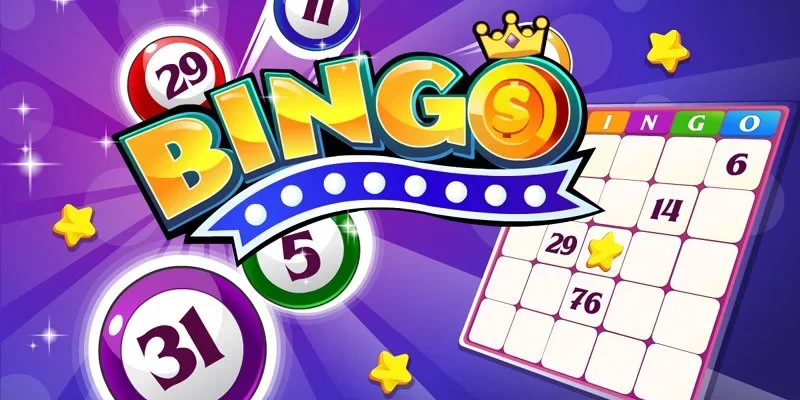
Though simple in concept, bingo is subtly dynamic. The standard game involves a card filled with random numbers arranged under five columns labeled B-I-N-G-O. A caller randomly selects numbers, and players mark off matching numbers on their cards. The objective varies—sometimes it’s to complete a single line, other times to fill an entire card—but the fundamental appeal remains consistent: listening, hoping, marking, and waiting.

There are several popular versions of bingo:

  • 75-ball bingo: Most common in the U.S., using a 5×5 grid

  • 90-ball bingo: Favored in the UK, with a 9×3 ticket layout

  • 80-ball bingo: A modern variation, often found in online formats

  • 30-ball bingo: A fast-paced, “speed bingo” format gaining popularity online

Each variation offers a slightly different rhythm, but all center around a shared experience: the slow build of anticipation and the joyous crescendo of victory.

Why Bingo Endures

Bingo’s longevity can’t be attributed to nostalgia alone. At its core, it’s a game that appeals to some of the most basic human instincts: our love of routine, our desire for social connection, and our attraction to chance.

Community at Its Heart

Few games are as socially rooted as bingo. Traditionally played in communal settings like church halls, community centers, and veterans’ clubs, bingo has long provided a gathering point for people seeking both entertainment and companionship. It fosters a sense of belonging that transcends age, background, and socioeconomic status.

Accessibility for All

The beauty of bingo lies in its inclusivity. It doesn’t require physical agility or specialized knowledge. Young or old, novice or veteran, anyone can pick up a card and feel the same sense of engagement and possibility.

The Psychology of Anticipation

Bingo taps into a subtle psychological pleasure: the tension between chance and control. Players can’t influence which numbers are called, but they can manage how they respond—staying alert, marking their cards accurately, and hoping that fate turns in their favor. This delicate balance between randomness and active participation keeps players engaged without overwhelming them.

The Digital Transformation of Bingo

As with many traditional games, bingo has embraced the digital revolution. Far from diminishing its charm, online platforms have opened new possibilities, allowing the game to flourish in unexpected ways.

Key Developments in Online Bingo

  • Interactive Chatrooms: Online bingo platforms often feature live chat functions, recreating the communal feel of a bingo hall.

  • Live-Streamed Games: Players can join real-time sessions with live callers, merging the thrill of in-person play with the convenience of home.

  • Mobile Accessibility: Bingo apps have made it possible to play on the go, anytime and anywhere.

  • Themed Games: From pop culture to holiday-themed rooms, online bingo introduces fresh twists to keep things exciting.

This digital expansion has also introduced the game to younger audiences, many of whom discover bingo not through tradition, but through mobile gaming or social media-driven events.

Bingo in Modern Culture

Beyond its traditional forms, bingo has taken on new identities. Themed bingo nights—such as music bingo, trivia bingo, and drag bingo—have surged in popularity, especially among younger and more diverse audiences. These reinvented versions bring an element of performance, satire, or creativity to the game, turning it into an evening of entertainment rather than a quiet pastime.

In education, teachers use bingo to reinforce vocabulary and arithmetic. In healthcare, it’s used as cognitive therapy for seniors, helping to sharpen memory and attention. And in marketing, promotional bingo cards are often used in customer engagement strategies. The game’s flexible format has made it a tool as much as a game—a vessel for creativity, community, and communication.

The Importance of Responsible Play

Though bingo is typically seen as a light-hearted activity, especially when compared to more aggressive forms of gambling, it’s still essential to promote responsible play. Online platforms in particular are mindful of this and often include tools for time tracking, spending limits, and self-exclusion.

For most players, bingo is a casual escape—an affordable indulgence that offers entertainment and social engagement. But like all games of chance, it should be approached with awareness and balance.

A Future Rooted in Tradition and Innovation

As bingo continues its journey into the digital era, it retains the warmth and simplicity that first made it popular. Its adaptability ensures that while the platforms may change, the heart of the game remains the same. It is still about people, about gathering—even virtually—around a shared experience, and about finding joy in the little suspenseful moments between the numbers.

Final Thoughts

Bingo has never relied on spectacle or speed to win hearts. Instead, it thrives through connection, anticipation, and tradition. It’s a reminder that the most enduring forms of entertainment are those that don’t merely distract us—but draw us together. As new generations discover its charm in both old and new formats, bingo proves that simplicity, when combined with a sense of community, never goes out of style.

What's your reaction?

Excited
0
Happy
0
In Love
0
Not Sure
0
Silly
0

You may also like

More in:Bingo