Lottery

The Lottery Phenomenon: A Game of Dreams, Destiny, and Dilemma

Introduction: The Fascination of Fortune

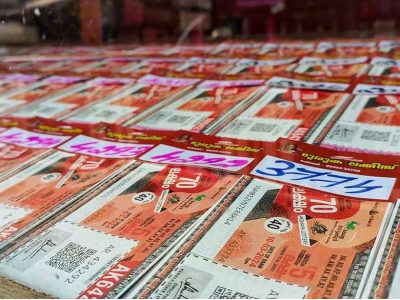
The lottery, in all its glittering simplicity, has a profound ability to stir the human imagination. A small slip of paper, a random set of numbers, and the prospect of overnight transformation—few things blend hope and chance quite so powerfully. Across nations and cultures, millions partake in this grand gamble, lured not just by the promise of wealth, but by the fantasy it ignites: a new life, unburdened by financial constraints. Yet, behind the dream lies a more nuanced reality. The lottery is both a cultural icon and a subject of philosophical debate, a game that dances on the line between fortune and fallacy

A Brief History: From Ancient Drawings to National Jackpots

Lotteries are far from a modern invention. Their origins can be traced back over two thousand years. In ancient China, keno-like games were used to finance public works, including the Great Wall. The Roman Empire, too, utilized lotteries for entertainment and charitable purposes, often distributing prizes during lavish feasts. It wasn’t until the 15th and 16th centuries that Europe saw organized state lotteries emerge, helping fund civic projects and infrastructure

The concept made its way to the Americas in the early colonial period. Institutions like Harvard and Yale were partially funded through lottery revenues. Fast-forward to the 20th and 21st centuries, and the lottery has become a multibillion-dollar industry, operated by governments worldwide as both a recreational activity and a source of public funding

How It Works: Simplicity with Complex Implications

Despite its lofty jackpots and elaborate marketing, the mechanics of the lottery remain remarkably simple. Participants purchase a ticket, select a series of numbers, and await the outcome of a random draw. If their numbers match, they win. The allure lies in this elegant combination of low cost and high reward

Common Types of Lotteries:

  • Draw Games: The classic format where numbers are selected at random, such as Powerball or Mega Millions

  • Scratch Cards: Instant-win tickets that reveal results upon scratching a concealed panel

  • Raffles: Limited-number games with guaranteed winners, often used in fundraising

  • Online Lotteries: Digitally accessible versions offering convenience and global participation

While the odds of winning the jackpot are astronomically low—often 1 in tens or hundreds of millions—this rarity only seems to enhance the game’s mystique

The Psychology of Playing: More Than Just Luck

The lottery appeals to more than our desire for money. It taps into deep psychological drives—hope, anticipation, and the fantasy of escape. For a modest investment, players buy more than a ticket; they buy a temporary dream

Psychological Triggers:

  • Optimism Bias: Many believe they are luckier than average, underestimating the true odds

  • Availability Heuristic: Stories of winners are widely publicized, making success feel more common than it is

  • Emotional Payoff: The anticipation itself creates a rush, delivering enjoyment regardless of the result

  • Symbolic Meaning: For some, choosing numbers based on birthdays or anniversaries adds personal significance, enhancing emotional attachment

These factors help explain why people return to the lottery time and again, even when they know the odds are stacked against them

Winners and the Weight of Wealth

Winning the lottery is often portrayed as the ultimate blessing. Yet, real-life stories of lottery winners suggest a more complex outcome. Sudden wealth can bring joy, but it also comes with challenges—strained relationships, poor financial decisions, and an overwhelming shift in lifestyle

Common Experiences of Lottery Winners:

  • Financial Mismanagement: Without sound advice, windfalls can quickly vanish

  • Social Isolation: Jealousy and changed dynamics often distance winners from family and friends

  • Mental Health Struggles: The stress of managing newfound wealth can lead to anxiety and depression

  • Public Scrutiny: High-profile winners may face unwanted attention, even threats

Not all stories end in regret—many winners thrive with responsible planning—but the idea that money alone solves all problems is, at best, a partial truth

Economic and Social Impact: A Double-Edged Sword

Lotteries often serve as revenue sources for governments, funding education, healthcare, and infrastructure. They are marketed as voluntary contributions to public good. However, critics argue that lotteries can also act as a form of regressive taxation, disproportionately affecting lower-income populations

Pros of Public Lotteries:

  • Revenue for Public Services: Billions raised annually for social programs

  • Economic Stimulation: Winnings often circulate quickly through local economies

  • Entertainment Value: Low-cost participation offers harmless diversion for many

Cons and Ethical Concerns:

  • Targeting the Vulnerable: Advertising often appeals to low-income individuals seeking financial salvation

  • Illusion of Accessibility: Portrays wealth as attainable through luck rather than effort

  • Addiction Risk: Problem gambling can manifest subtly, especially when participation is habitual

Balancing these perspectives is essential in shaping fair, transparent lottery systems that prioritize public welfare

The Digital Age: Lotteries in the Modern World

The lottery has gracefully adapted to the digital era. Online platforms, mobile apps, and international syndicates have revolutionized access and engagement. Now, a person in one country can legally participate in a jackpot hosted halfway across the globe. Innovations like blockchain technology are also being explored to ensure transparency and fairness

Digital Transformations in Lottery Gaming:

  • Mobile Access: Instant notifications, auto-play features, and digital wallets streamline user experience

  • International Play: Cross-border participation expands prize pools and global appeal

  • Security Enhancements: Blockchain and smart contracts aim to reduce fraud and enhance trust

These advancements keep the lottery relevant in an age of convenience and globalization, further cementing its role as a ubiquitous form of modern entertainment

Conclusion: Between Fantasy and Reality

The lottery is a mirror of society’s eternal fascination with chance, fate, and possibility. It represents both the best and worst of human nature—our hope, our vulnerability, our dreams, and sometimes our despair. For some, it offers a glimmer of hope in difficult times; for others, it’s a harmless weekly ritual, a flight of fancy. And for the rare few, it transforms their lives forever

Yet, behind the glittering promise of jackpot riches lies a deeper lesson: life’s most meaningful changes rarely come from luck alone. True wealth is found not merely in sudden windfalls, but in wisdom, balance, and the quiet rewards of intentional living. The lottery may be a game of chance, but how we engage with it—like much else in life—is a matter of choice

What's your reaction?

Excited
0
Happy
0
In Love
0
Not Sure
0
Silly
0

You may also like

More in:Lottery